The Power of a Single Neuron and a Path to Simulating the Brain
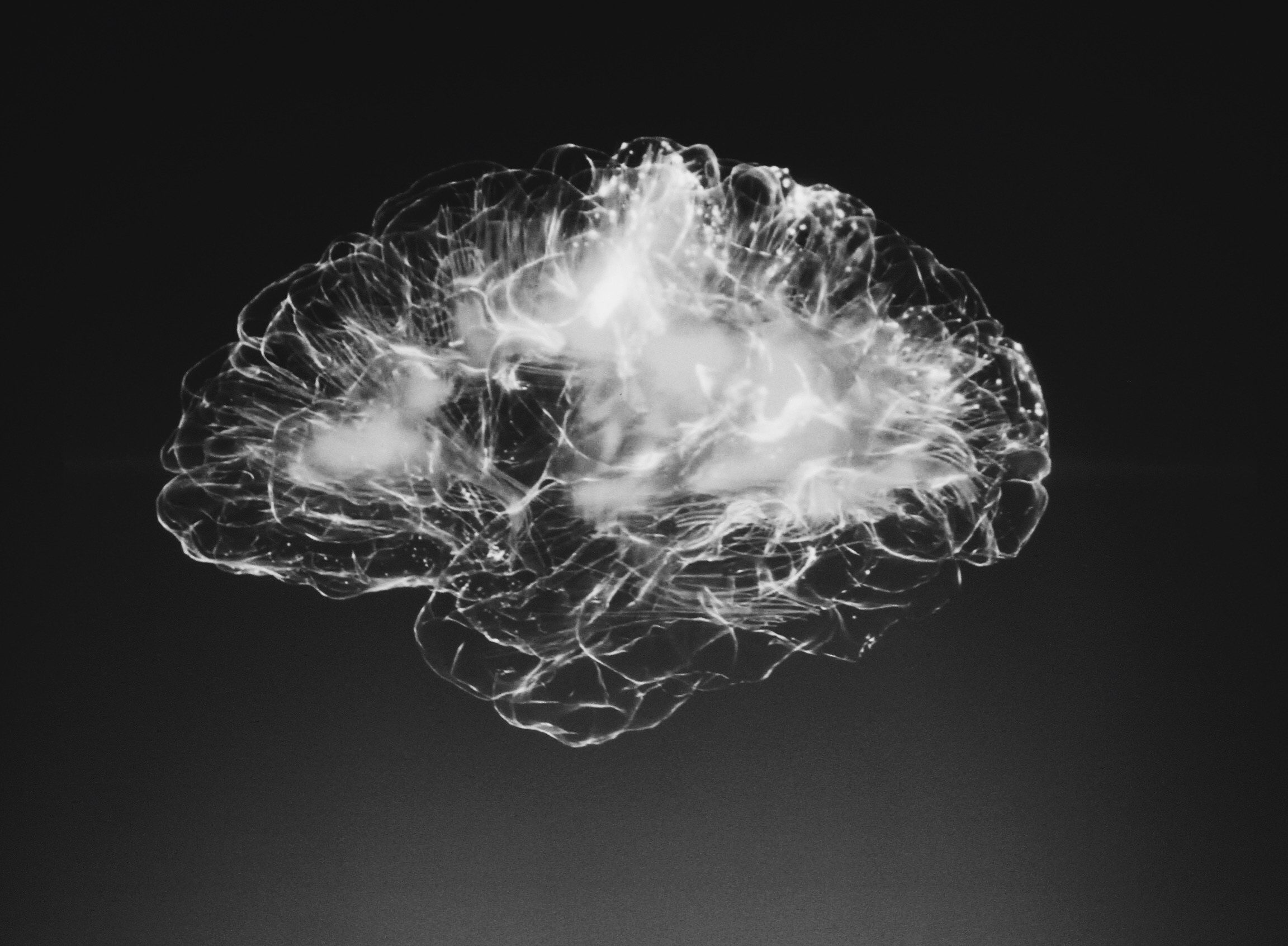
In the latest episode of the Juan Benet Podcast, Konrad Kording goes deep into how neurons work, how neurons wire together, and how organic and artificial neural networks differ.
Recent advances in network science have greatly increased our understanding of the structure and function of many networked systems, ranging from transportation networks and ecosystems to biochemical and gene transcription pathways. By integrating tools from data analysis, mathematical modeling and statistical inference with network science, our faculty work to determine fundamental organizational principles of biological processes. This cross-disciplinary research brings together faculty with interests in molecular, cellular and organismal biology, mathematics, statistics, chemistry, engineering and more. Work in this field by Warren Center affiliates includes developing mathematical tools to understand how brain networks reconfigure over time, using machine learning algorithms to infer RNA biogenesis, looking at neural modeling to understand how information is processed in the nervous system, and using computational algebraic geometry techniques for estimating evolutionary trees.
Recent News
People
Konrad Kording
Penn Integrates Knowledge University Professor of Neuroscience and Bioengineering
Website
Related Events
The Garage @ Yards Brewing Company
AI + Us is a new Penn AI/Data Driven Discovery Initiative series bringing big ideas about artificial intelligence out of academia and into the world. Join their second event at Yards Brewery featuring Konrad Kording, followed by an open Q&A moderated by Bhuv Jain.
The Agora, Annenberg Public Policy Center
Professor Katy Milkman will talk with Emily Falk about her new book. This is Falk's first book, and provides a window into the impacts of the brain’s value, self-relevance, and social relevance systems..
Glandt Forum, Singh Center for Nanotechnology
In this "exhilarating, genre-bending exploration," Professors Zurn and Bassett harness their respective expertise in philosophy and neuroscience to get irrepressibly curious about curiosity, and what drive it.